
Adaptive Intimacy: Supporting People With SMA and Other Disabilities
25th Aug 2025
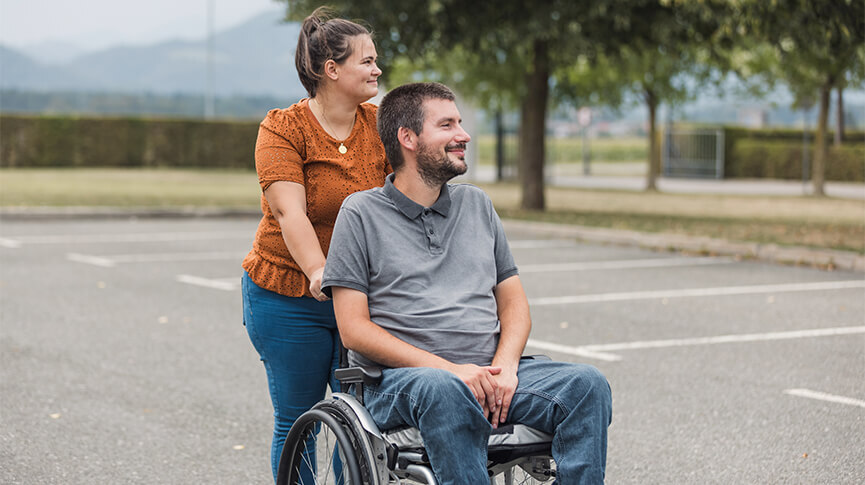
Intimacy is a universal human need. Yet for people living with disabilities such as Spinal Muscular Atrophy (SMA) - a rare genetic condition that weakens muscles and impacts mobility — intimacy is often overlooked in conversations about health and wellness.
The truth is simple: everyone deserves intimacy. Disability does not erase desire, pleasure, or the right to fulfilling relationships. But stigma, physical challenges, and lack of awareness can make intimacy more complicated for people with SMA and other disabilities.
In honor of SMA Awareness Month, let's explore how intimacy can be adapted, how partners can support one another, and how inclusive approaches — like those embraced by DOXXES — break down barriers to love, connection, and self-discovery.
Understanding SMA and Intimacy
Spinal Muscular Atrophy (SMA) is a genetic condition that affects motor neurons in the spinal cord. This leads to muscle weakness, difficulty with movement, and in some cases, challenges with breathing or swallowing.
Key Facts About SMA:
- It affects both children and adults, with varying severity.
- It does not affect intelligence or the ability to feel love and desire.
- Many individuals with SMA lead fulfilling lives, careers, relationships, and families.
When it comes to intimacy, SMA doesn't erase the need for connection. Instead, it requires adaptation, creativity, and support.
Breaking the Stigma Around Disability and Intimacy
Unfortunately, society often treats disability and sexuality as incompatible. Myths include:
- "People with disabilities don't have sexual desires."
- "They can't or shouldn't be intimate."
- "Pleasure isn't possible if the body works differently."
These are harmful stereotypes that silence people living with SMA and other disabilities. In reality, desire and intimacy are part of being human - regardless of ability.
The Role of Adaptive Intimacy
Adaptive intimacy means modifying environments, tools, and perspectives to make intimacy accessible for all bodies. It's about embracing what works, not focusing on limitations.
Adaptive Intimacy Strategies:
- Communication First
- Open, honest conversations about comfort, boundaries, and needs.
- Asking: "What feels good for you?” or “How can I support you?"
- Exploring Comfort and Positioning
- Using pillows, supportive chairs, or adaptive equipment.
- Finding positions that minimize strain and maximize pleasure.
- Inclusive Intimacy Tools
- Sex therapist-approved toys designed for accessibility (easy-to-hold, remote-controlled, wearable).
- Tools that reduce reliance on physical strength while enhancing pleasure.
- Emotional Intimacy
- Touch, cuddling, eye contact, and laughter - intimacy is more than intercourse.
- Building trust and closeness creates a strong foundation for physical intimacy.
Supporting People With SMA in Intimacy
For Individuals
- Self-Love is Key: Explore your body through solo intimacy. Toys and tools can help you discover pleasure on your terms.
- Advocate for Yourself: Your desires are valid. Speak openly about what feels good and what doesn't.
- Embrace Patience: Intimacy may require time, experimentation, and creativity.
For Partners
- Educate Yourself: Learn about SMA or your partner's disability. Understanding reduces fear and stigma.
- Offer Emotional Support: Affirm your partner's worth and desirability.
- Be Flexible: Adapt intimacy to what feels safe and enjoyable.
DOXXES and Adaptive Intimacy
At DOXXES, we believe intimacy should never be limited by stigma or ability. Our mission is to provide:
- Sex therapist-approved toys that are easy to use, inclusive, and adaptable.
- Resources that empower people to explore intimacy without shame.
- Encouragement for body confidence, reminding individuals that desire is not defined by mobility.
Whether it's through solo exploration or partner play, DOXXES celebrates intimacy that is creative, empowering, and inclusive.
The Mental Health Connection
Disability and intimacy aren't just physical topics - they're emotional. People with SMA may experience:
- Anxiety about being seen as "different."
- Depression from stigma or isolation.
- Fear of rejection in relationships.
Partner support, therapy, and inclusive conversations can significantly improve confidence and intimacy. Breaking silence around these struggles is the first step to healing.
Key Takeaways
- SMA affects muscles, not desire. People with SMA deserve intimacy and pleasure like anyone else.
- Stigma is the biggest barrier. Breaking myths creates safe spaces for connection.
- Adaptive intimacy works. With creativity, tools, and communication, intimacy can thrive.
- Support matters. Both self-love and partner support are essential for fulfilling relationships.
- DOXXES champions inclusivity. Our therapist-approved products and resources empower everyone to explore pleasure with confidence.
Conclusion
Spinal Muscular Atrophy Awareness Month reminds us of a vital truth: intimacy belongs to every body. Living with SMA or any disability doesn't diminish the right to connection, love, and joy - it only calls for more creativity, patience, and support.
At DOXXES, we're breaking barriers by offering inclusive, adaptive tools that put intimacy back in everyone's hands. Because desire is human, pleasure is universal, and confidence should be limitless.
Ready to explore adaptive intimacy and reclaim your pleasure? Discover DOXXES today.
Or visit your nearby DOXXES store for therapist-approved intimacy products designed for every body.