
Dyspareunia and Relationships: How Couples Can Heal Together
2nd Sep 2025
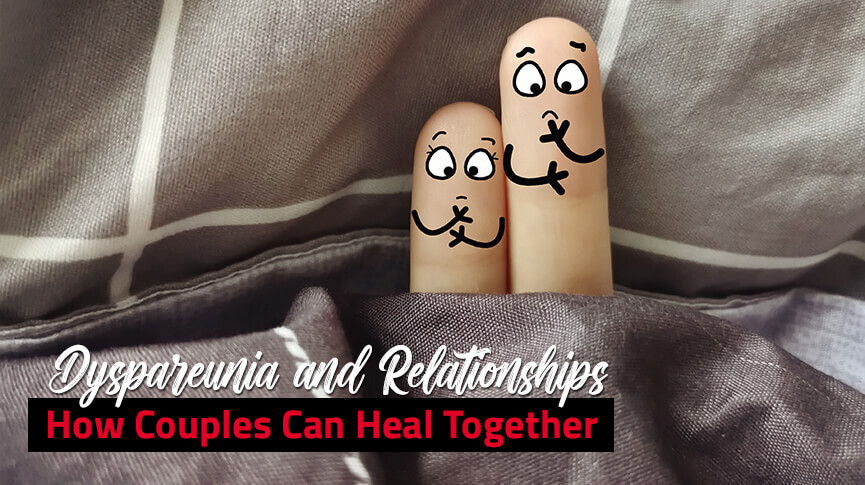
Intimacy is meant to bring partners closer, not cause pain. But for many individuals, painful intercourse - medically known as dyspareunia - changes how they experience closeness with their partner.
Instead of pleasure, there's discomfort. Instead of excitement, there's anxiety. And in many relationships, it leads to silence, distance, or frustration.
The truth is: dyspareunia is more common than most people realize. Yet, because it's rarely talked about openly, many couples suffer in silence. At DOXXES, we believe intimacy should never hurt - and that healing happens best when partners face the challenge together.
In this blog, we'll explore what dyspareunia is, why it happens, and most importantly, how couples can support each other on the journey from pain to pleasure.
What Is Dyspareunia?
Dyspareunia is the medical term for persistent or recurrent pain during sexual intercourse. The pain may be sharp, burning, aching, or throbbing - and it can occur before, during, or after intimacy.
It affects people of all genders but is more commonly reported in women. For some, the pain is occasional. For others, it's ongoing and deeply impacts both physical and emotional well-being.
Painful sex is never "just in your head." It's not something you need to "push through." And it's not something couples should ignore.
Common Causes of Dyspareunia
Understanding why dyspareunia happens is the first step to healing. Causes can be physical, emotional, or both.
Physical causes include:
- Vaginal dryness (often from hormonal changes, breastfeeding, or menopause)
- Infections (yeast, bacterial vaginosis, STIs)
- Pelvic floor dysfunction
- Endometriosis or pelvic inflammatory disease
- Scar tissue from surgery or childbirth
- Certain medications that reduce lubrication
Emotional causes include:
- Anxiety or stress
- History of trauma
- Relationship strain
- Fear of pain itself, creating a cycle of tension
Every person's experience is different. That's why a holistic approach - one that includes medical guidance, emotional support, and sometimes therapeutic products - often works best.
The Ripple Effect on Relationships
Dyspareunia doesn't only affect the person experiencing the pain. It often affects the entire relationship.
- Emotional Distance: Fear of pain can lead to avoiding intimacy altogether.
- Communication Struggles: Many couples don't talk openly about painful sex, leading to confusion or feelings of rejection.
- Performance Pressure: Partners may feel inadequate or unsure how to help, adding stress to both sides.
- Loss of Connection: When intimacy decreases, couples may feel less bonded, which can impact overall relationship satisfaction.
The good news? With open communication, empathy, and supportive solutions, couples can rebuild both physical and emotional intimacy.
How Couples Can Heal Together
Healing from dyspareunia is not a solo journey. When partners work together, the process feels less isolating and more hopeful.
Here are steps couples can take:
1. Talk About It - Without Shame
Silence often makes the problem worse. Have an honest conversation in a safe, pressure-free space. Use "I" statements instead of blame, such as:
- "I feel nervous about sex because of the pain."
- "I want us to enjoy intimacy, but I'm scared it might hurt."
Openness creates understanding. And understanding builds a stronger foundation for healing.
2. Seek Medical Guidance
Encourage each other to consult a healthcare provider. Painful sex is not something to ignore - it deserves medical attention. Doctors can rule out infections, hormonal changes, or pelvic floor issues, and recommend appropriate treatments.
3. Reimagine Intimacy Beyond Penetration
Intimacy is more than one act. When couples explore new ways to connect, it takes the pressure off painful intercourse.
This could include:
- Sensual massage
- Kissing and touch rituals
- Oral intimacy
- Shared use of toys designed for external stimulation
At DOXXES, our adult stores in Houston provide discreet, therapist-approved products to help couples explore pain-free intimacy.
4. Introduce Lubricants and Toys Thoughtfully
Vaginal dryness is a leading cause of dyspareunia. Using a high-quality, water-based or silicone lubricant can make a huge difference.
Additionally, toys like vibrators or dilators can gently reintroduce comfort and pleasure, helping the body relax and rebuild positive associations with intimacy.
The key is choosing products that are body-safe and therapist-approved - something DOXXES specializes in.
5. Consider Pelvic Floor Therapy
Tight pelvic floor muscles often contribute to painful sex. Pelvic floor physical therapy can help relax those muscles, improve blood flow, and restore comfort.
Some couples even incorporate pelvic floor exercises into their routine, making it a shared wellness journey.
6. Prioritize Emotional Support
Dyspareunia isn't just physical - it affects mental health too. Partners who offer reassurance, patience, and nonjudgmental support create a safe environment for healing.
Simple statements like "We're in this together" or "Your comfort matters more than anything" can ease anxiety and build trust.
The Role of DOXXES in Healing Intimacy
At DOXXES, we understand that intimacy is about more than just physical pleasure - it's about connection, healing, and confidence. That's why our stores in Houston are designed to be welcoming spaces for all couples.
Here's how we help:
- Sex-therapist-approved products: Lubricants, toys, and tools that are safe, effective, and supportive for people with dyspareunia.
- Inclusive environment: Our team is trained to guide couples discreetly and respectfully.
- Wellness-first approach: We believe in blending pleasure with overall sexual wellness.
Whether you're shopping for comfort-enhancing lubricants or toys that promote relaxation, DOXXES is here to support your journey.
Rebuilding Confidence and Connection
Healing from dyspareunia takes time, but couples can absolutely rediscover pleasure together. Here's what often changes when partners commit to healing as a team:
- Anxiety around intimacy decreases
- Communication grows stronger
- Physical comfort improves with the right solutions
- Emotional closeness deepens
Instead of being a barrier, dyspareunia can become a turning point - a challenge that teaches couples new ways to connect, support each other, and explore intimacy with patience and creativity.
Final Thoughts
Dyspareunia is not just a medical condition. It's a shared challenge that affects relationships, emotions, and confidence. But it does not have to define your love life.
When couples approach it with honesty, empathy, and a willingness to explore new solutions, intimacy can transform from a source of pain to a source of healing.
Remember: intimacy should never hurt. And you don't have to face this journey alone.
"Ready to explore pain-free intimacy? Visit your nearest DOXXES adult store in Houston. Discover sex-therapist-approved lubricants, toys, and wellness products designed to help couples heal together."