
Endometriosis and Sex: Understanding Pain, Intimacy, and Solutions
22nd Aug 2025
Endometriosis is a chronic condition where tissue similar to the lining of the uterus grows outside the womb.
It can cause pelvic pain, heavy periods, and fertility challenges. One of the most overlooked aspects of this condition, however, is how it affects sex and intimacy.
Painful sex, also known as dyspareunia, is a common symptom of endometriosis. It can affect physical health, emotional well-being, and relationships. Yet, many people hesitate to talk openly about it.
This article explores how endometriosis impacts sex, why pain occurs, treatment options, and practical tips for maintaining intimacy.
What Is Endometriosis?
Endometriosis affects an estimated 1 in 10 women of reproductive age. With this condition, tissue similar to endometrial lining grows in areas like the ovaries, fallopian tubes, bladder, and even intestines.
Unlike normal menstrual tissue, these implants have no way to exit the body. As a result, they can cause inflammation, scar tissue (adhesions), and cysts.
Key Symptoms of Endometriosis include:
- Severe menstrual cramps
- Chronic pelvic pain
- Heavy or irregular periods
- Infertility
- Pain during or after sex
Among these, painful sex is one of the least discussed but most disruptive symptoms.
Why Does Endometriosis Cause Pain During Sex?
Pain during sex in endometriosis is not "in your head." It has real, biological causes:
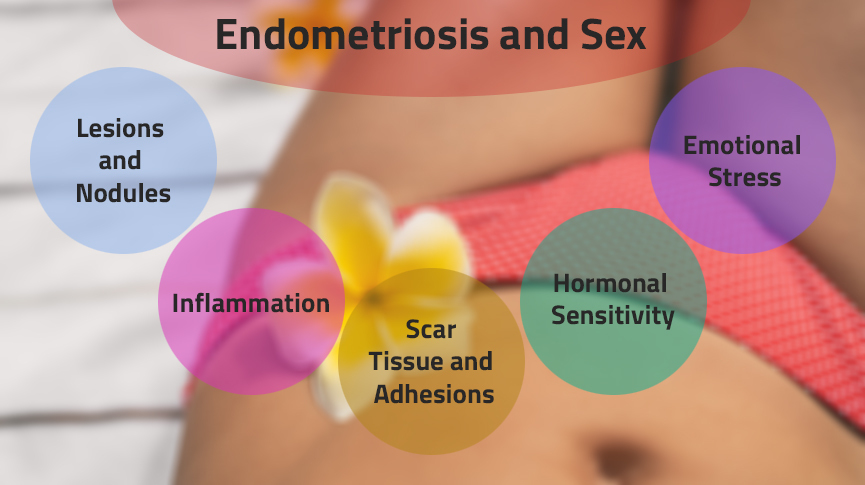
1. Lesions and Nodules
When endometrial-like tissue grows near the vagina, cervix, or pelvic floor muscles, penetration can stretch or press on painful nodules.
2. Inflammation
Endometriosis often leads to chronic inflammation in the pelvis. This makes the area more sensitive, so even light pressure may feel painful.
3. Scar Tissue and Adhesions
Adhesions can bind organs together (like the uterus, bladder, and rectum). During sex, these tissues are pulled, leading to sharp or deep pain.
4. Hormonal Sensitivity
Sexual pain often worsens during menstruation or ovulation, when hormones increase pelvic inflammation.
5. Emotional Stress
Chronic pain can lead to anxiety and fear of sex. This tension can tighten pelvic floor muscles, increasing pain further.
Types of Pain During Sex with Endometriosis
Not all pain is the same. Understanding where and how pain occurs helps in finding the right solution.
- Deep Dyspareunia: Pain deep in the pelvis during penetration.
- Superficial Dyspareunia: Pain at the vaginal entrance.
- Post-Coital Pain: Pain lasting hours or days after sex.
- Position-Related Pain: Pain only with certain angles or movements.
The Emotional and Relationship Impact
Sexual pain does not only affect the body-it can influence mental health and relationships.
- Emotional Strain: Feeling broken, guilty, or ashamed.
- Relationship Challenges: Partners may misinterpret pain as lack of desire.
- Decreased Libido: Fear of pain may reduce sexual interest.
- Mental Health Issues: Anxiety, depression, or isolation.
Acknowledging these challenges is the first step toward healing.
Can People with Endometriosis Have a Healthy Sex Life?
Yes. Pain doesn't mean intimacy is impossible. With proper management, communication, and treatment, many people with endometriosis reclaim satisfying sex lives.
The key is understanding your body, seeking medical help, and exploring different approaches to intimacy.
Medical Treatments That Help with Painful Sex
1. Medications
- Pain Relievers: NSAIDs like ibuprofen reduce inflammation.
- Hormonal Therapy: Birth control pills, IUDs, or GnRH agonists reduce endometrial growth.
2. Surgery
Laparoscopy: Removes lesions and scar tissue. Many people notice less pain after this procedure.
3. Physical Therapy
Pelvic Floor Therapy: Teaches relaxation techniques and reduces muscle spasms.
4. Lubricants and Vaginal Estrogen
Reduce dryness and friction, especially for women experiencing hormonal changes.
Practical Tips for Better Intimacy with Endometriosis
1. Communicate Openly with Your Partner
Honest conversations about pain and preferences strengthen trust. Let your partner know what feels comfortable.
2. Experiment with Positions
Positions that allow shallow penetration, like spooning or woman-on-top, often reduce pain.
3. Use Lubrication
Lubricants reduce friction, making sex more comfortable. Choose water-based or silicone-based products.
4. Warm-Up and Relaxation
Heating pads, warm baths, or gentle foreplay can relax muscles before sex.
5. Focus on Non-Penetrative Intimacy
Oral sex, mutual touching, and sex toys provide pleasure without deep penetration.
6. Try Pelvic Floor Exercises
Relaxation-based Kegels and breathing techniques reduce muscle tension.
7. Schedule Intimacy Wisely
Pain often worsens around menstruation-choosing days when symptoms are lighter can help.
Alternative and Lifestyle Approaches
Diet and Lifestyle
- Anti-inflammatory diet: Focus on omega-3 fatty acids, leafy greens, and whole grains.
- Limit triggers: Reduce alcohol, caffeine, and processed foods.
Stress Management
Yoga, meditation, and breathing exercises reduce pelvic tension.
Sexual Aids and Toys
Some people find vibrators or dilators helpful in exploring pain-free pleasure.
Professional Counseling
Therapists specializing in sexual health can help couples navigate intimacy challenges.
Myths About Endometriosis and Sex
- Myth 1: "Pain is normal." Pain during sex should never be ignored.
- Myth 2: "Avoiding sex is the only option." There are many ways to adapt and enjoy intimacy.
- Myth 3: "It's all psychological." The pain has real medical causes.
- Myth 4: "Pregnancy will cure it." While symptoms may improve temporarily, pregnancy is not a cure.
Frequently Asked Questions (FAQs) About Endometriosis and Sex
Why does endometriosis cause pain during sex?
Endometriosis causes pain during sex because lesions, scar tissue, and inflammation can make pelvic tissues sensitive. Penetration or movement stretches these tissues, leading to sharp or deep pain.
Can sex make endometriosis worse?
Sex does not cause endometriosis to spread, but it can worsen symptoms temporarily. Deep penetration may increase pain or inflammation, which sometimes lasts for hours or days after intimacy.
What are the best sex positions for endometriosis pain?
Positions with shallow penetration, such as spooning, woman-on-top, or side-lying, often reduce pain. Adjusting angles and experimenting with pillows can also help.
How can couples maintain intimacy with endometriosis?
Couples can focus on communication, non-penetrative sex, oral pleasure, and sex toys. Exploring intimacy beyond penetration helps reduce pressure while maintaining closeness.
When should I see a doctor about painful sex with endometriosis?
See a doctor if pain is severe, persistent, or affects emotional well-being. Pain during sex is not normal, and a gynecologist can provide treatments to improve comfort and intimacy.
When to See a Doctor
Seek medical advice if:
- Pain is severe or persistent.
- Sex always causes bleeding or sharp pain.
- Pain impacts mental health or relationships.
A gynecologist or endometriosis specialist can evaluate symptoms and recommend personalized treatment.
Key Takeaways
- Endometriosis can cause painful sex due to lesions, adhesions, and inflammation.
- Emotional health and relationships may also be affected.
- Medical treatments, lifestyle changes, and open communication can greatly improve intimacy.
- Pain is not normal seeking professional help is crucial.
Conclusion
Endometriosis and sex can feel like a difficult subject, but you are not alone. Many people face the same struggles, and solutions exist. Whether through medical treatment, lifestyle changes, or exploring new forms of intimacy, it's possible to reclaim pleasure and closeness in your relationships.
Talking openly with your doctor and partner is the most powerful step toward healing. Intimacy is not just about sex-it's about connection, trust, and joy.