
How Stress Impacts Your Sexual Desire and Ways to Reignite It
13th Aug 2025
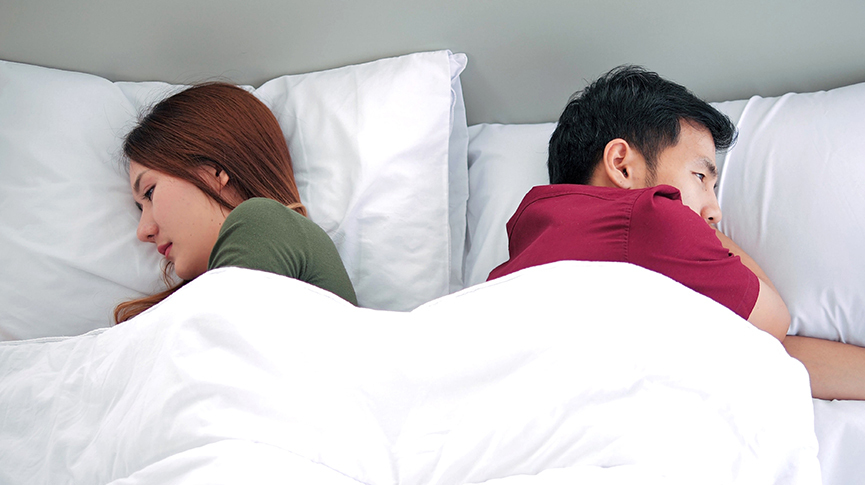
Stress has become an inseparable part of modern life. According to the American Psychological Association, nearly 77% of people regularly experience physical symptoms caused by stress, and 73% report experiencing psychological symptoms. But did you know that stress doesn't just affect your mind and body—it also impacts your sexual desire? If you've been feeling less inclined to engage in intimacy lately, stress could be the hidden culprit.
Understanding how stress impacts your sexual desire is crucial to maintaining a healthy, fulfilling relationship. This blog will delve into the relationship between stress and sexual health and provide actionable tips to reignite your libido.
The Connection Between Stress and Sexual Desire
What Happens to Your Body Under Stress?
Stress triggers the release of cortisol and adrenaline, hormones that prepare your body for a "fight or flight" response. While this mechanism is helpful in emergencies, chronic stress can disrupt the delicate balance of hormones that regulate your sexual desire.
- Cortisol Overload: Elevated cortisol levels suppress the production of sex hormones like estrogen and testosterone, which are essential for libido.
- Decreased Blood Flow: Stress narrows blood vessels, reducing blood flow to sexual organs and making arousal more difficult.
- Mental Distraction: Chronic stress diverts your focus away from intimacy, leaving you mentally preoccupied and emotionally distant.
Psychological Impact of Stress on Libido
Stress doesn't just wreak havoc on your body; it also takes a toll on your mind. Here's how:
- Anxiety and Worry: Persistent stress leads to anxiety, making it challenging to relax and enjoy intimate moments.
- Self-Esteem Issues: Stress can lead to negative self-perception, which impacts your confidence in the bedroom.
- Relationship Strain: Communication gaps caused by stress can create distance between partners, further diminishing sexual desire.
The Impact of Chronic Stress
Chronic stress is particularly damaging because its effects compound over time. Long-term exposure to stress hormones can lead to issues such as:
- Hormonal Dysregulation: Persistent cortisol elevation lowers the body's ability to produce sex hormones.
- Depression: Stress-induced mood disorders can significantly decrease your interest in intimacy.
- Erectile Dysfunction: In men, chronic stress is a common cause of performance issues, including erectile dysfunction.
How Stress-Induced Hormonal Imbalance Affects Your Libido
The Role of Testosterone and Estrogen
Sexual desire is primarily driven by testosterone in both men and women. Stress-induced hormonal imbalances lower testosterone levels, leading to decreased libido. For women, cortisol also disrupts estrogen levels, which can result in vaginal dryness and reduced sensitivity.
Oxytocin-The Love Hormone
Oxytocin, often called the "love hormone," plays a critical role in sexual arousal and emotional bonding. Stress inhibits the release of oxytocin, making it harder to feel connected to your partner.
Adrenal Fatigue and Sexual Desire
Adrenal fatigue occurs when your adrenal glands are overworked from chronic stress. This condition can severely diminish your body's ability to produce cortisol and other hormones, leading to extreme fatigue and a lack of interest in sexual activity.
Signs That Stress Is Affecting Your Sexual Desire
- Frequent Fatigue: Feeling too tired for intimacy despite adequate rest.
- Avoidance Behavior: Making excuses to avoid physical closeness.
- Emotional Detachment: A lack of emotional connection with your partner.
- Physical Symptoms: Tension headaches, muscle aches, or other physical manifestations of stress during intimate moments.
Behavioral Changes to Watch For
Stress can also lead to subtle changes in behavior that affect your relationship, including:
- Increased irritability or mood swings.
- Spending less time on personal grooming or self-care.
- Avoiding discussions about intimacy or relationship issues.
How to Reignite Your Sexual Desire
Reclaiming your libido involves addressing both the physical and emotional effects of stress. Here are some actionable steps:
Prioritize Stress Management
Managing stress is the first step toward reigniting your sexual desire. Consider these techniques:
- Mindfulness Meditation: Practicing mindfulness can reduce cortisol levels and help you stay present during intimate moments.
- Regular Exercise: Physical activity boosts endorphins and improves blood flow, both of which are essential for a healthy libido.
- Adequate Sleep: Poor sleep exacerbates stress and hormonal imbalances. Aim for 7-9 hours per night.
- Time in Nature: Spending time outdoors can lower stress and improve overall well-being, positively influencing your sexual health.
Communicate Openly With Your Partner
Honest communication is vital for maintaining intimacy during stressful times. Share your feelings and listen to your partner's concerns without judgment. Emotional vulnerability can strengthen your bond and reignite your desire.
Reconnect Emotionally
- Plan Date Nights: Spending quality time together can help rekindle your connection.
- Practice Gratitude: Expressing appreciation for your partner can foster emotional intimacy.
- Physical Touch: Non-sexual physical affection, like holding hands or cuddling, can help bridge the gap.
- Try New Activities: Exploring new hobbies or experiences together can create excitement and reignite your connection.
Seek Professional Help
If stress and low libido persist, consult a therapist or counselor specializing in sexual health. They can help identify underlying issues and recommend tailored strategies. Couples therapy can also improve communication and emotional intimacy.
Consider Natural Libido Boosters
Certain lifestyle changes and supplements can support hormonal balance and improve libido:
- Balanced Diet: Incorporate foods rich in zinc, magnesium, and vitamin D to support hormone production.
- Herbal Remedies: Ginseng and maca root are known to enhance libido naturally.
- Stay Hydrated: Dehydration can exacerbate fatigue and stress, indirectly affecting your desire.
- Cut Back on Alcohol: While moderate alcohol consumption can help you relax, excessive drinking can lower testosterone levels and impair sexual performance.
Preventing Stress from Sabotaging Your Libido
Build Healthy Habits
- Time Management: Prioritize tasks to avoid feeling overwhelmed.
- Say No: Set boundaries to protect your mental and emotional energy.
- Relaxation Techniques: Incorporate yoga, deep breathing, or aromatherapy into your routine.
- Stay Socially Connected: Strong social support networks can help mitigate the effects of stress.
Maintain a Strong Relationship Foundation
- Regular Check-ins: Schedule time to discuss your feelings and needs.
- Celebrate Small Wins: Acknowledge and appreciate small efforts to strengthen your connection.
- Show Empathy: Understand that stress affects everyone differently, and offer support to your partner.
Practice Self-Care
Taking care of yourself can improve your mental health and enhance your libido. Self-care tips include:
- Scheduling "me time" to recharge.
- Pursuing hobbies that bring you joy.
- Practicing positive affirmations to boost self-esteem.
Frequently Asked Questions
Can stress cause long-term loss of libido?
Chronic stress can lead to prolonged hormonal imbalances and psychological challenges, but these effects are reversible with proper stress management and support.
How can I talk to my partner about stress affecting my sexual desire?
Approach the conversation with honesty and vulnerability. Use "I" statements to express how stress is impacting you without assigning blame.
Are there medical treatments for stress-induced low libido?
Yes, medical treatments like hormone replacement therapy or stress management medications can be effective. Consult a healthcare professional for personalized advice.
Does exercise improve sexual desire?
Absolutely! Regular exercise reduces stress, boosts endorphins, and improves blood circulation, all of which enhance libido.
How long does it take to regain libido after reducing stress?
The timeline varies based on individual circumstances, but noticeable improvements often occur within weeks of consistent stress management practices.
Does diet play a role in improving libido?
Yes, a balanced diet rich in essential nutrients supports hormonal health and overall well-being, which are critical for a healthy libido.