
Pelvic Floor Dysfunction: Understanding, Managing, and Embracing Wellness
21st Aug 2025
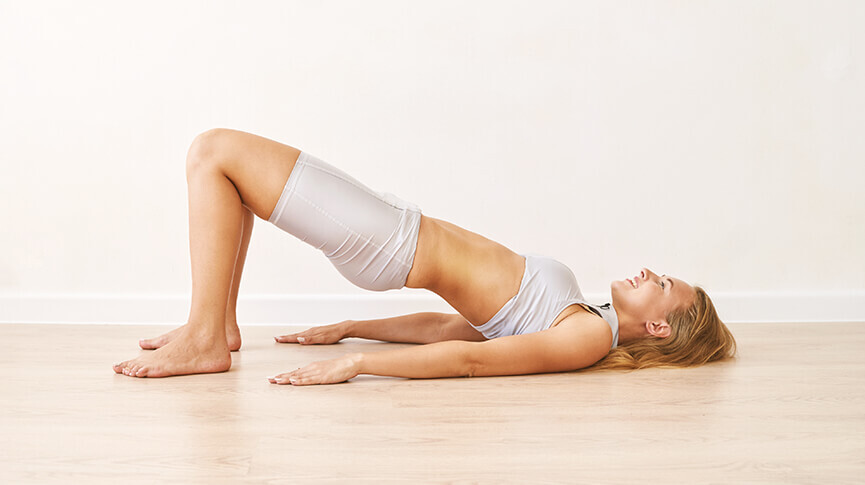
When people think about sexual wellness, they often focus on desire, intimacy, or pleasure. But one of the most overlooked parts of our bodies plays a critical role in all three-the pelvic floor.
The pelvic floor is a group of muscles at the base of your pelvis that support your bladder, bowel, and reproductive organs. These muscles are essential for bladder and bowel control, core stability, and yes, sexual pleasure.
When these muscles don't function as they should-either being too weak, too tight, or uncoordinated-it's known as pelvic floor dysfunction. This condition is more common than most people realize, and it can affect anyone, regardless of gender or age.
In this article, we'll break down what pelvic floor dysfunction really means, its causes, symptoms, and treatment options. We'll also explore how improving pelvic floor health can enhance not only daily comfort but also intimacy and confidence in your body.
What is Pelvic Floor Dysfunction?
Pelvic floor dysfunction occurs when the pelvic floor muscles can't relax or contract properly. Instead of working in harmony, these muscles either become too tight, too weak, or lose coordination, leading to problems with:
- Bladder control
- Bowel movements
- Sexual function
- Core stability
Unlike other muscle groups, pelvic floor issues often go unnoticed because they're considered too personal or "embarrassing" to talk about. Yet, millions of people live with symptoms daily, and many don't even realize pelvic floor therapy can help.
Causes of Pelvic Floor Dysfunction
There isn't one single cause-rather, several factors can contribute:
1. Childbirth and Pregnancy
Carrying and delivering a baby stretches and sometimes weakens the pelvic floor, leading to urinary leakage or prolapse.
2. Chronic Strain
Regular heavy lifting, constipation, or chronic coughing can put pressure on the pelvic floor muscles.
3. Aging and Hormonal Changes
As we age, muscle strength decreases, and hormonal shifts (like menopause) can affect tissue elasticity.
4. Surgery or Trauma
Pelvic or abdominal surgeries, injuries, or even sexual trauma can disrupt muscle coordination.
5. Overactive Muscles
Sometimes the problem isn't weakness but tightness. Overactive pelvic floor muscles can cause pain during sex, difficulty urinating, or a constant feeling of tension.
Common Symptoms of Pelvic Floor Dysfunction
Recognizing the signs is the first step to getting help. Common symptoms include:
- Frequent urge to urinate or difficulty starting urination
- Leaking urine when coughing, sneezing, or exercising (stress incontinence)
- Constipation or straining during bowel movements
- Pain or pressure in the pelvic region
- Painful sex (dyspareunia) or reduced sexual satisfaction
- Pelvic organ prolapse (a feeling of heaviness, like something is "falling down")
- Lower back pain that doesn't improve with typical treatments
These symptoms can significantly affect quality of life-emotionally, physically, and sexually.
The Link Between Pelvic Floor Health and Sexual Wellness
Your pelvic floor isn't just about function-it's deeply tied to pleasure. Healthy pelvic floor muscles help increase blood flow to the genitals, heighten arousal, and improve orgasm intensity.
- Tight muscles may cause pain during penetration, difficulty with arousal, or inability to relax.
- Weak muscles may reduce sensation, making orgasms less satisfying.
- Balanced muscles provide control, strength, and relaxation-creating better intimacy and confidence.
At DOXXES, we emphasize that caring for your pelvic floor is an act of self-love and empowerment. Addressing dysfunction isn't only about eliminating discomfort-it's also about reclaiming pleasure and intimacy.
Diagnosis: How is Pelvic Floor Dysfunction Identified?
Healthcare providers may use a combination of:
- Physical examination - to check muscle tone, strength, and coordination.
- Internal exam - for both men and women, to evaluate how the pelvic muscles respond.
- Imaging tests - such as ultrasound or MRI for more complex cases.
A pelvic floor therapist or specialized physician often provides a tailored plan once the diagnosis is clear.
Treatment Options for Pelvic Floor Dysfunction
The good news? Pelvic floor dysfunction is treatable. With the right approach, many people experience significant improvement.
1. Pelvic Floor Therapy
Specialized physical therapy teaches you how to properly relax and contract these muscles. Therapists may use biofeedback to help you see how your muscles are working.
2. Lifestyle Adjustments
- Maintaining a healthy weight
- Avoiding heavy straining during bowel movements
- Practicing good posture
- Stress management (since tension affects muscle tightness)
3. Pelvic Floor Exercises (Kegels and Beyond)
Kegels strengthen weak muscles, while reverse Kegels help relax overactive ones. Both men and women benefit from learning the right balance.
4. Medication
Muscle relaxants or topical treatments may be prescribed for pain, tightness, or inflammation.
5. Surgical Options
In severe cases (such as advanced prolapse), surgery may be recommended.
6. Sexual Wellness Tools
Products designed to improve pelvic circulation and relaxation-such as vibrating massagers or dilators-can complement therapy. At DOXXES, our inclusive pleasure tools are created not only for intimacy but also to encourage body awareness and comfort.
Daily Tips to Support Pelvic Floor Health
- Breathe deeply: Shallow breathing tightens the pelvic floor. Diaphragmatic breathing helps relaxation.
- Stay active: Gentle yoga, walking, or Pilates can strengthen core stability.
- Hydrate and eat fiber: Prevents constipation and reduces unnecessary straining.
- Check your posture: Sitting slouched can add pressure to pelvic muscles.
- Use lubrication during sex: Reduces friction and supports comfort.
Living With Pelvic Floor Dysfunction: Emotional and Intimate Impact
The physical symptoms are only one part of the story. Many people with pelvic floor dysfunction struggle with:
- Embarrassment or shame
- Reduced confidence in relationships
- Anxiety around intimacy
- Fear of leaking during physical activity or sex
Breaking the stigma is essential. Pelvic floor dysfunction is not a reflection of weakness-it's a common medical condition. Talking openly, seeking help, and using supportive tools can transform both physical and emotional well-being.
Pelvic Floor Health and DOXXES
At DOXXES, we believe sexual wellness is whole-body wellness. Supporting your pelvic floor is about more than solving a medical issue-it's about creating a stronger, more confident connection with your body.
Our collection of products and educational resources is designed to:
- Encourage body awareness
- Promote comfort and relaxation
- Enhance pleasure through safe, inclusive designs
Whether you're exploring vibrators that encourage blood flow, or looking for tools that support self-care after pelvic therapy, DOXXES is here to empower your journey.
Key Takeaways
- Pelvic floor dysfunction affects bladder, bowel, and sexual health.
- It can be caused by pregnancy, surgery, aging, trauma, or chronic strain.
- Symptoms include incontinence, pain, constipation, and reduced sexual satisfaction.
- Treatments range from pelvic floor therapy to lifestyle changes and medical options.
- Caring for your pelvic floor enhances not only physical health but also intimacy and pleasure.
Frequently Asked Questions (FAQs)
Can men experience pelvic floor dysfunction?
Yes. Men can develop pelvic floor dysfunction, leading to urinary problems, pelvic pain, or erectile dysfunction.
Are Kegels always recommended?
Not always. If your muscles are too tight, Kegels can make symptoms worse. A therapist can guide you.
How long does it take to see improvement with therapy?
Many people notice changes within a few weeks, but full improvement may take several months of consistent practice.
Can pelvic floor dysfunction affect fertility?
While not a direct cause of infertility, pelvic floor dysfunction may contribute to pain during sex, which can make conception more difficult.
What role do pleasure tools play in pelvic health?
Inclusive vibrators and dilators can improve circulation, help with relaxation, and support comfortable, enjoyable intimacy.
Conclusion
Pelvic floor dysfunction is more than a medical condition-it's a quality-of-life issue that affects how we move, connect, and experience intimacy.
By breaking the stigma, learning to recognize symptoms, and exploring supportive therapies and tools, you can take back control of your body. Whether you're addressing discomfort, rebuilding after childbirth, or simply wanting to improve your sexual wellness, pelvic floor health deserves your attention.
At DOXXES, we're here to remind you: caring for your pelvic floor is caring for your pleasure, confidence, and whole-body wellness.