
Prostate Cancer Survivors and Sexual Wellness: A Guide to Finding Joy Again
13th Aug 2025
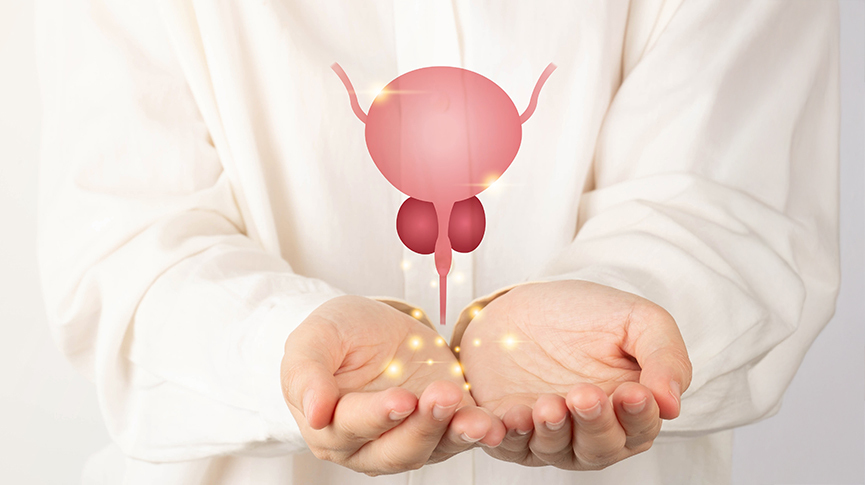
Prostate cancer affects approximately 1 in 8 men in the United States, making it one of the most prevalent cancers among men. With advancements in medical treatments, survival rates have significantly improved, with over 3 million survivors in the U.S. alone. However, the journey does not end with remission. Many survivors face lingering challenges, particularly regarding sexual wellness. Prostate cancer treatment often affects intimacy and sexual function, leaving survivors and their partners struggling to find a sense of normalcy. Despite these challenges, rediscovering joy, intimacy, and sexual confidence is possible with the right guidance, mindset, and tools.
Understanding Prostate Cancer and Its Impact on Sexual Health
The Prostate's Role in Reproductive Health
The prostate is a walnut-sized gland located below the bladder and in front of the rectum. Its primary function is to produce seminal fluid, which nourishes and transports sperm during ejaculation. Treatments for prostate cancer, such as surgery, radiation, or hormone therapy, often disrupt the prostate's normal functioning.
Common Sexual Challenges Post-Treatment
Survivors may experience several sexual health challenges, including:
- Erectile Dysfunction (ED): Damage to nerves and blood vessels during surgery or radiation often leads to difficulty achieving or maintaining an erection.
- Loss of Libido: Hormonal therapies used to treat prostate cancer can lower testosterone levels, reducing sexual desire.
- Altered Ejaculation: Survivors often experience “dry orgasms,” where the sensation remains but ejaculation does not occur due to prostate removal or damage.
- Pelvic Discomfort: Pain or sensitivity in the perineal area may persist after treatment, affecting sexual enjoyment.
Understanding these challenges is the first step toward addressing them effectively.
The Emotional Impact of Prostate Cancer on Sexual Wellness
Psychological Effects on Survivors
The physical changes resulting from prostate cancer treatment often lead to emotional distress. Many survivors grapple with feelings of inadequacy, loss of masculinity, and fear of rejection by their partners. These emotions can create a cycle of anxiety, further exacerbating sexual difficulties.
Relationship Dynamics
Partners of prostate cancer survivors also face emotional challenges, including:
- Fear of causing discomfort or pain during intimacy.
- Frustration over altered sexual routines.
- Uncertainty about expressing their needs.
Open communication and mutual support are crucial in navigating these emotional hurdles together.
Redefining Intimacy Post-Cancer
Expanding the Definition of Intimacy
Intimacy after prostate cancer doesn't have to revolve solely around penetrative sex. Survivors and their partners can explore new ways to connect emotionally and physically:
- Non-Sexual Touch: Holding hands, hugging, and massages can foster closeness.
- Sensual Exploration: Engaging in activities that emphasize pleasure without the pressure of performance.
- Open Communication: Discussing desires and boundaries openly to align expectations.
Building a New Normal
Prostate cancer survivors often need time to adapt to their new reality. Patience, empathy, and a willingness to experiment are essential in rebuilding intimacy.
Medical Treatments for Sexual Dysfunction
Sexual dysfunction following prostate cancer treatment is common but treatable. Medical advancements offer several options for survivors seeking to regain sexual function.
Medications
- PDE5 Inhibitors: Drugs like Viagra, Cialis, and Levitra improve blood flow to the penis, aiding erections. These medications are effective for many but may not work if nerve damage is extensive.
- Testosterone Replacement Therapy (TRT): For those with low testosterone, TRT can help restore libido and energy, though it may not be suitable for all prostate cancer survivors.
Mechanical Aids and Procedures
- Vacuum Erection Devices (VEDs): These devices use suction to draw blood into the penis, creating an erection.
- Penile Implants: A surgical option where inflatable or semi-rigid rods are placed in the penis, offering reliable erections.
- Injection Therapy: Medications injected directly into the penis can produce erections within minutes.
Counseling and Therapy
Sexual therapy, either individually or with a partner, can help survivors navigate emotional barriers and develop strategies to improve intimacy.
The Role of Lifestyle in Sexual Wellness
Lifestyle choices significantly influence sexual recovery after prostate cancer treatment. Survivors who prioritize their overall health often experience better outcomes in sexual wellness.
Nutrition
A balanced diet supports both physical and sexual health. Survivors should focus on:
- Heart-Healthy Foods: Fruits, vegetables, whole grains, and lean proteins improve blood flow, essential for erections.
- Zinc-Rich Foods: Shellfish, nuts, and seeds support hormonal balance.
- Avoiding Processed Foods: High-fat and high-sugar diets can contribute to poor circulation and inflammation.
Exercise
Regular physical activity enhances blood circulation, reduces stress, and boosts confidence. Specific exercises, such as Kegels, strengthen pelvic floor muscles, improving control over erections and orgasms.
Stress Management
Stress is a significant barrier to sexual desire. Practices such as meditation, deep breathing, and yoga can help survivors manage anxiety and enhance their overall sense of well-being.
Rediscovering Sexual Confidence
Embracing Change
Prostate cancer survivors often feel disconnected from their pre-cancer selves. Accepting that sexual experiences may change while remaining optimistic about new possibilities is crucial.
Gradual Progress
Rushing into intimacy can lead to frustration and disappointment. Instead, survivors should focus on small, achievable goals:
- Begin with non-sexual affection to rebuild comfort and trust.
- Gradually explore new forms of pleasure, such as manual stimulation or toys.
- Celebrate milestones, even small ones, to foster confidence.
Tools and Products to Enhance Intimacy
Several tools are available to help survivors navigate intimacy after prostate cancer treatment.
Lubricants
Post-treatment changes may lead to dryness or discomfort during sexual activity. Water-based and silicone-based lubricants provide smoothness and reduce friction, enhancing comfort.
Intimate Accessories
Innovative toys and devices cater to different needs, allowing survivors and their partners to explore alternative ways of achieving pleasure.
Sensory Enhancements
Products like warming gels or massage oils can add excitement and novelty to intimate experiences.
Psychological and Emotional Support
Joining Support Groups
Connecting with other survivors through support groups offers a sense of community and validation. Sharing experiences and learning from others' journeys can inspire hope and provide practical tips.
Couples Counseling
Couples therapy addresses relationship dynamics and fosters better communication. A trained therapist can help partners align their expectations and work through challenges together.
Individual Therapy
For survivors dealing with low self-esteem or depression, individual therapy provides a safe space to process emotions and develop coping strategies.
Celebrating Progress and Building Hope
Reclaiming sexual wellness after prostate cancer is a gradual process. Survivors and their partners should focus on celebrating progress rather than fixating on perfection. Each step forward, no matter how small, contributes to a renewed sense of joy and connection.
Frequently Asked Questions (FAQs)
Can sexual function fully recover after prostate cancer treatment?
Recovery varies among individuals. While some regain full sexual function, others may experience lasting changes. Treatments and lifestyle adjustments can improve outcomes.
What is the best treatment for erectile dysfunction after prostate cancer?
The best treatment depends on individual circumstances. Options include PDE5 inhibitors, penile implants, and vacuum erection devices. A healthcare provider can recommend the most suitable option.
How long does it take to regain sexual function?
Recovery can take months or years, depending on the type of treatment and overall health. Patience and consistent effort are essential.
Can intimacy exist without sexual intercourse?
Yes. Intimacy encompasses emotional closeness, affection, and mutual pleasure, which can be achieved in many fulfilling ways.
Should prostate cancer survivors seek counseling?
Counseling can be highly beneficial for addressing emotional challenges, rebuilding confidence, and improving relationships.