
The Fascinating History of Vibrators: From Medical Devices to Modern Pleasure Products
8th Jul 2025
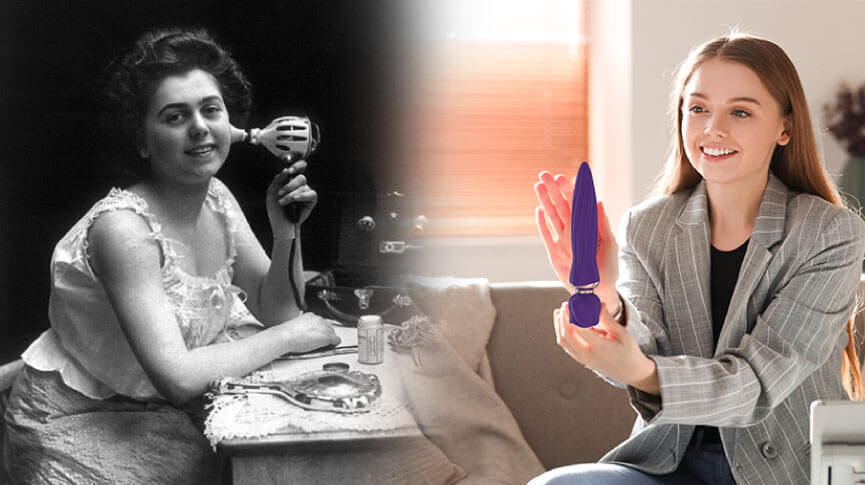
When it comes to sexual wellness, few devices have had as complex and transformative a journey as vibrators. These tools, now synonymous with personal pleasure, were initially invented as medical instruments before evolving into symbols of empowerment, wellness, and cultural change. Their history is a compelling tale of innovation, societal taboos, and shifting attitudes toward intimacy and self-discovery.
In this blog, we’ll explore the rich history of vibrators, uncover their surprising origins, and delve into how they’ve become integral to modern conversations around sexual wellness and cultural acceptance.
The Origins of Vibrators: A Medical Invention Born from Necessity
The story of vibrators begins in the 19th century, during a time when the medical understanding of women’s health was deeply flawed. One of the most common diagnoses for women experiencing emotional or physical distress was hysteria, a now-debunked condition attributed to everything from mood swings to unexplained physical symptoms.
Victorian-era doctors believed the solution to hysteria lay in inducing what they called “hysterical paroxysm,” a clinical term for what we now recognize as orgasm. Manual stimulation of the clitoris was the standard treatment, performed by physicians to relieve their patients’ symptoms.
However, this “therapy” was labor-intensive and time-consuming, leading to the invention of mechanical aids. Dr. Joseph Mortimer Granville is often credited with inventing the first electromechanical vibrator in the 1880s, initially intended for muscle pain relief. Though he never envisioned its use for hysteria treatment, the medical community quickly adapted his device to automate pelvic massages. Early vibrators were bulky, steam-powered contraptions—far removed from the sleek designs we know today.
Vibrators Enter the Home: From Clinics to Parlors
By the early 20th century, vibrators began appearing in homes as multi-purpose appliances. Advertised as tools for relaxation and beauty treatments, they were marketed alongside other domestic items like sewing machines and hair curlers. Women were encouraged to use them for everything from relieving muscle tension to improving skin tone, but their true purpose was often an open secret.
Magazines like Good Housekeeping even ran advertisements for vibrators, showcasing them as symbols of modernity and sophistication. This period marked a brief era when vibrators were viewed as practical household devices, free from the stigmas that would later emerge.
From Shadows to Sexual Liberation: Vibrators and the 20th Century
The cultural perception of vibrators shifted dramatically during the 1920s and 1930s when they began appearing in adult films. This newfound association with sexuality led to their banishment from mainstream advertising. For decades, vibrators were relegated to the margins, sold discreetly through mail-order catalogs or in adult stores.
The sexual revolution of the 1960s and 1970s marked a turning point. As feminist movements gained momentum, they began advocating for women’s sexual autonomy and the right to explore pleasure without shame. Vibrators emerged as powerful symbols of this liberation.
Betty Dodson, a pioneering sex educator, played a pivotal role in popularizing vibrators as tools for self-discovery. Her workshops and writings encouraged women to embrace masturbation as a form of empowerment, normalizing the use of vibrators in the process. During this time, companies began designing vibrators explicitly for pleasure, moving away from their clinical origins.
The publication of Our Bodies, Ourselves in 1970 and The Joy of Sex in 1972 further cemented vibrators as essential tools for sexual wellness. These groundbreaking books demystified female pleasure and highlighted vibrators as valuable aids for both solo and partnered experiences.
Cultural Acceptance: Breaking Taboos Around Sex Toys
The gradual acceptance of vibrators is one of the most significant cultural shifts in modern history. Once viewed as shameful or even deviant, they are now celebrated as tools of empowerment and wellness. This transformation didn’t happen overnight—it required decades of activism, education, and innovation.
The 1990s marked the beginning of a renaissance for vibrators, with brands like Vibratex and LELO introducing ergonomic designs and body-safe materials. The Rabbit vibrator, popularized by an iconic episode of Sex and the City, brought vibrators into the cultural mainstream, proving they could be both fun and fashionable.
In the 21st century, social media and online platforms have further normalized conversations about sex toys. Influencers, educators, and activists use these platforms to share information about sexual wellness, creating a sense of community and openness that was unthinkable just a few decades ago.
Sexual Wellness Evolution: The Role of Vibrators in Health and Well-Being
Modern science has shed light on the numerous benefits of vibrators for sexual health and overall wellness. Research shows that vibrators can enhance sexual satisfaction, improve blood circulation, and even alleviate certain medical conditions like pelvic pain or low libido.
For people with disabilities or mobility challenges, vibrators can make intimacy more accessible, offering a means of experiencing pleasure without physical strain. They also play a significant role in sexual therapy, helping individuals and couples explore intimacy in new and fulfilling ways.
The connection between vibrators and mental health is another key aspect of their evolution. Regular sexual activity, including masturbation, has been linked to reduced stress, improved mood, and better sleep. Vibrators, as tools for self-care, empower users to prioritize their well-being.
Innovations in Vibrator Design: Meeting Diverse Needs
Today’s vibrators reflect a sophisticated blend of technology and design, catering to diverse preferences and lifestyles. Some key advancements include:
- App-Controlled Vibrators: These devices allow users to customize their experience and even share control with a partner remotely.
- Body-Safe Materials: Modern vibrators are made from medical-grade silicone and other hypoallergenic materials, ensuring safety and comfort.
- Eco-Friendly Designs: Rechargeable batteries and sustainable packaging align with the growing demand for environmentally conscious products.
- Inclusivity: Brands are creating vibrators that are gender-neutral, accessible to people with disabilities, and suitable for all body types.
The vibrator industry is no longer focused solely on cisgender women—it now celebrates the diversity of human sexuality, offering products for individuals of all genders and orientations.
The Social and Cultural Impact of Vibrators
Beyond their functional benefits, vibrators have become powerful symbols of social change. They challenge outdated notions of sexuality, promote body positivity, and encourage open conversations about pleasure and wellness.
The rise of sexual wellness brands like DOXXES has been instrumental in this cultural shift. By prioritizing education, inclusivity, and empowerment, these brands are redefining how we think about intimacy and self-care. Vibrators are no longer just “sex toys”; they are tools for personal growth, exploration, and connection.
What the Future Holds for Vibrators and Sexual Wellness
The future of vibrators is as exciting as their history. Innovations like AI-powered devices and haptic feedback promise to create even more personalized experiences. Meanwhile, the integration of sexual wellness into mainstream healthcare signals a broader cultural shift toward prioritizing intimacy as a key component of overall well-being.
As society continues to break down taboos around pleasure, vibrators will likely play an even greater role in promoting sexual health and happiness.
DOXXES: Your Partner in Wellness and Empowerment
At DOXXES, we believe that pleasure is an essential part of the human experience. Our mission is to empower individuals to embrace their desires and explore their unique paths to wellness. Vibrators are more than just products—they are invitations to connect with yourself and your body on a deeper level.
Whether you’re discovering vibrators for the first time or looking to expand your collection, DOXXES offers a curated selection of products designed with your pleasure in mind. Together, we can celebrate the past, present, and future of vibrators while embracing the limitless potential of sexual wellness.
Final Thoughts
The history of vibrators is a testament to the resilience of human innovation and the power of reclaiming pleasure. From their beginnings as medical devices to their status as modern wellness tools, vibrators have continually adapted to meet our evolving needs.
As we celebrate their journey, let’s remember that vibrators represent more than just physical gratification—they embody autonomy, empowerment, and the freedom to explore your desires without judgment. At DOXXES, we’re here to support you every step of the way.