
The Science Behind Orgasms: What Happens to Your Body?
8th Jul 2025
Orgasms are often celebrated as one of life’s greatest pleasures, yet they remain shrouded in mystery for many. What exactly happens to your body during an orgasm? How does it impact your health, mood, and overall well-being? At DOXXES, we’re passionate about breaking down the stigma surrounding sexual wellness and empowering you with the knowledge to embrace your body.
In this blog, we’ll dive deep into the fascinating science of orgasms, exploring the physiological processes, their effects on the body, and the benefits they offer for your overall health. Let’s decode the magic behind the climax.
Understanding Orgasms: A Brief Overview
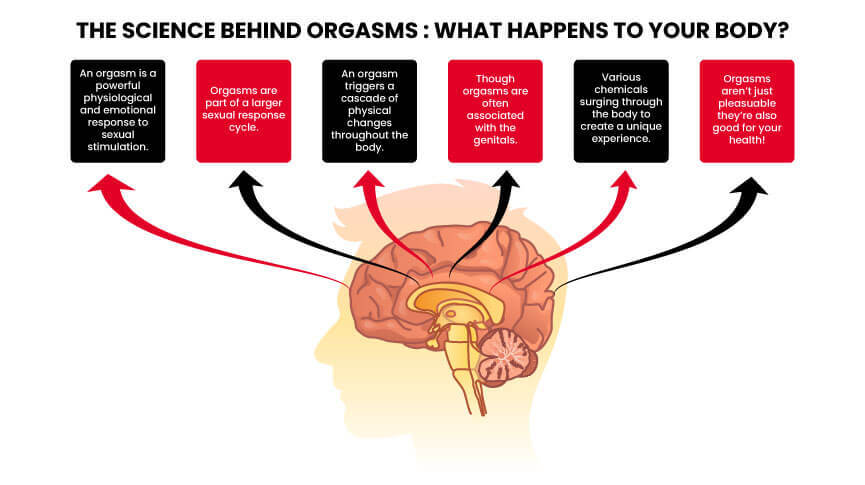
An orgasm is a powerful physiological and emotional response to sexual stimulation. While the sensation is universally recognized, its triggers and intensity vary widely among individuals.
Key Facts About Orgasms
- Both men and women can experience orgasms, though their processes differ slightly.
- Orgasms can occur through various types of stimulation, including clitoral, vaginal, anal, and even mental or emotional arousal.
- Not everyone experiences orgasms the same way, and that’s perfectly normal.
The Stages of an Orgasm: The Science of Climax
Orgasms are part of a larger sexual response cycle, first identified by Masters and Johnson in the 1960s. This cycle is divided into four stages:
1. Excitement
- Blood flow increases to the genitals, causing physical changes like vaginal lubrication and penile erection.
- Heart rate and breathing quicken as arousal builds.
2. Plateau
- Arousal reaches its peak, and sensitivity intensifies.
- Muscles begin to tighten in preparation for release.
3. Orgasm
- The climax involves rhythmic contractions of pelvic muscles, leading to intense pleasure.
- In women, the uterus and vaginal walls contract. In men, contractions result in ejaculation.
4. Resolution
- The body gradually returns to its pre-aroused state.
- For men, this often includes a refractory period, during which another orgasm is temporarily impossible.
What Happens to the Body During an Orgasm?
An orgasm triggers a cascade of physical changes throughout the body. Let’s break it down:
1. The Cardiovascular System
- Heart rate spikes as the body pumps more blood to erogenous zones.
- Blood pressure rises, contributing to the flushed appearance many people experience.
2. The Muscular System
- Pelvic muscles contract rhythmically, often accompanied by involuntary spasms in other parts of the body.
- These contractions are responsible for the pleasurable sensation of release.
3. The Nervous System
- The nervous system sends rapid-fire signals between the brain and genitals, amplifying sensation.
- The release of neurotransmitters like dopamine intensifies the feeling of pleasure.
4. The Skin
- Many people experience a “sex flush,” a reddening of the skin caused by increased blood flow.
- Sweat glands may activate, leading to a light sheen of perspiration.
The Role of the Brain in Orgasms
Though orgasms are often associated with the genitals, the brain plays a central role in orchestrating the experience.
Key Brain Regions Involved in Orgasms
- Prefrontal Cortex: Often deactivated during orgasm, allowing the mind to fully immerse in the moment.
- Hypothalamus: Regulates hormones like oxytocin and dopamine.
- Amygdala: Linked to emotions and arousal, it quiets down during climax to reduce inhibition.
The Brain’s Reward System
The brain releases a flood of “feel-good” chemicals during orgasm, including dopamine, endorphins, and oxytocin. These chemicals:
- Enhance mood.
- Strengthen emotional bonds with a partner.
- Provide a sense of relaxation and well-being.
Hormonal Changes During Orgasms
Orgasms are a hormonal symphony, with various chemicals surging through the body to create a unique experience.
Oxytocin
- Known as the “love hormone,” oxytocin promotes feelings of intimacy and connection.
- It also helps the body relax after climax.
Dopamine
- This neurotransmitter is responsible for the euphoric high associated with orgasm.
- It activates the brain’s reward pathways, reinforcing pleasurable behavior.
Endorphins
- These natural painkillers are released during orgasm, contributing to the “afterglow” effect.
- They also help alleviate stress and tension.
The Health Benefits of Orgasms
Orgasms aren’t just pleasurable—they’re also good for your health!
1. Stress Relief
The release of oxytocin and endorphins during orgasm can reduce cortisol levels, helping you feel calmer and more relaxed.
2. Better Sleep
Post-orgasm relaxation can make it easier to fall asleep, thanks to lowered stress levels and physical exhaustion.
3. Improved Heart Health
Regular sexual activity, including orgasms, promotes cardiovascular health by improving blood flow and reducing blood pressure.
4. Strengthened Immunity
Studies suggest that regular orgasms can boost the immune system by increasing the production of antibodies.
5. Enhanced Mood
The dopamine surge during orgasm can combat feelings of anxiety and depression, improving overall mental well-being.
Common Myths About Orgasms
Despite advances in sexual education, several myths persist. Let’s debunk them:
Myth 1: Orgasms Are the Same for Everyone
Truth: Orgasms vary widely in intensity, duration, and sensation. There’s no “normal” way to experience one.
Myth 2: Women Can Only Orgasm Through Penetration
Truth: The clitoris plays a central role in most female orgasms. Penetration is just one of many pathways to pleasure.
Myth 3: Men Always Orgasm During Sex
Truth: Men, like women, can experience variability in their orgasm response, influenced by factors like stress or health.
Enhancing Your Orgasm Experience
Whether you’re flying solo or exploring with a partner, here are tips to make your orgasms even more satisfying:
1. Explore Your Body
- Masturbation is a powerful way to learn what feels good and discover your erogenous zones.
- Use toys designed to target specific areas, like the clitoris, G-Spot, or A-Spot.
2. Communicate with Your Partner
- Open dialogue about preferences and fantasies can strengthen intimacy and improve sexual satisfaction.
3. Practice Mindfulness
- Focusing on the present moment can heighten arousal and make orgasms more intense.
- Techniques like deep breathing or meditation can help you stay present.
4. Invest in Sexual Wellness
- Incorporate pelvic floor exercises, like Kegels, to improve muscle tone and enhance orgasmic sensations.
- Prioritize self-care and a healthy lifestyle to boost overall sexual health.
Conclusion: Celebrating Pleasure as Self-Care
Orgasms are more than just moments of intense pleasure—they’re a testament to the beauty and complexity of the human body. By understanding the science behind orgasms, you can take charge of your sexual wellness, deepen your connection to your body, and enhance your overall well-being.
At DOXXES, we celebrate every step of this journey. From exploring your anatomy to finding tools that elevate your pleasure, we’re here to support you in embracing your desires unapologetically. Together, let’s redefine orgasms as not just a source of joy, but a cornerstone of self-care and empowerment.