
What Is the “Love” Hormone, Oxytocin? The Science of Intimacy
25th Aug 2025
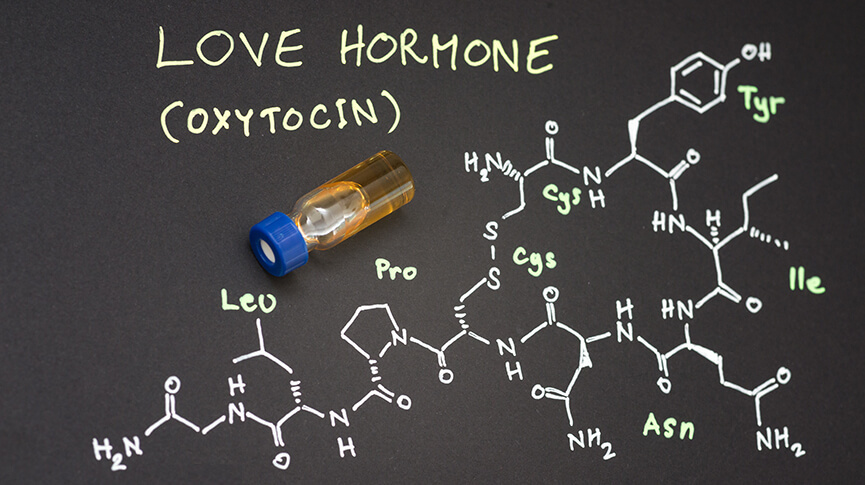
If you've ever felt a rush of warmth after a hug, a kiss, or cuddling with someone you love, you've experienced the effects of oxytocin. Often called the "love hormone" or "cuddle chemical," oxytocin plays a powerful role in how we bond, build trust, and connect with others.
But oxytocin isn't just about romance. It affects everything from friendships and family ties to how we respond to stress. And yes, its also released during sex and self-pleasure - making it a key player in intimacy and desire.
So, what exactly is oxytocin, and why does it matter for your relationships and sexual wellness? Let's dive into the science, the myths, and the playful ways to boost it in your daily life.
The Science of Oxytocin
Oxytocin is a neuropeptide hormone produced in the hypothalamus and released by the pituitary gland. Think of it as your body's "connection signal." It activates when you:
- Hug or cuddle someone
- Kiss or engage in physical affection
- Experience orgasm
- Breastfeed or bond with a child
- Share laughter, trust, or deep emotional connection
That's why it's earned the nickname "love hormone." But in reality, oxytocin is less about romance and more about bonding - with partners, friends, children, and even pets.
How Oxytocin Affects Intimacy
Emotional Trust and Closeness
Oxytocin helps lower defenses, making us more open to trust and emotional vulnerability. That's why physical touch can strengthen bonds during relationships.
Physical Pleasure
During sexual activity and orgasm, oxytocin is released, deepening satisfaction and increasing feelings of closeness afterward.
Long-Term Bonding
Oxytocin isn't just about a spark in the moment. It helps maintain long-term connections, which is why it's linked to attachment, empathy, and relationship stability.
Oxytocin in Romantic Relationships
Couples who share regular affection - from holding hands to intimacy - experience higher oxytocin levels, which are linked to:
- Better communication
- Greater empathy
- More relationship satisfaction
- Lower stress during conflict
This "bonding hormone" helps explain why touch can sometimes say more than words.
Oxytocin Beyond Romance
Oxytocin isn't just for lovers. It also strengthens:
- Parent-child bonds: It plays a role in childbirth and breastfeeding, helping parents feel more connected to their babies.
- Friendships: Sharing laughter, secrets, or support can trigger oxytocin release.
- Human-animal bonds: Petting your dog or cat increases oxytocin for both of you.
It's truly a universal connection hormone.
Can Low Oxytocin Affect Desire?
While research is still developing, some studies suggest that lower oxytocin levels may be linked to:
- Difficulty with trust and emotional closeness
- Higher stress and anxiety
- Lower sexual desire
Factors like chronic stress, trauma, or certain health conditions can influence how much oxytocin your body produces.
Natural Ways to Boost Oxytocin
The good news: you can increase oxytocin naturally in simple, enjoyable ways.
1. Physical Touch
- Hugs, cuddles, massages, or simply holding hands.
- Even gentle touch increases oxytocin and reduces stress.
2. Eye Contact and Laughter
- Looking into someone's eyes during conversation or intimacy.
- Sharing genuine laughter or joy with friends or partners.
3. Orgasm (Solo or Partnered)
- Sexual intimacy triggers one of the strongest oxytocin releases.
- Solo play is equally effective - your brain responds the same way.
4. Mindfulness and Meditation
- Deep breathing and meditation can increase oxytocin while lowering cortisol (the stress hormone).
DOXXES and Oxytocin: A Modern Approach to Intimacy
At DOXXES, we see oxytocin as a reminder that intimacy is not just physical - it's about connection, self-love, and joy.
- Solo play with sex therapist-approved toys can be a powerful oxytocin booster, helping you connect with your body and release stress.
- Couples play can enhance intimacy, trust, and communication - making oxytocin release even more meaningful.
- Inclusivity matters Whether you're single, partnered, straight, queer, or exploring, oxytocin reminds us that intimacy is universal.
Our products are designed to make these experiences safe, playful, and empowering - so you can enjoy the benefits of oxytocin while embracing pleasure on your terms.
The Future of Oxytocin Research
Scientists are only beginning to uncover the full impact of oxytocin. Current studies suggest it could play a role in:
- Reducing anxiety and depression
- Supporting therapy for social connection disorders
- Improving trust and empathy in relationships
The more we learn, the more it becomes clear: oxytocin is central to how humans connect and thrive.
Key Takeaways
- Oxytocin = the "love hormone." It's released during touch, intimacy, laughter, and bonding moments.
- It strengthens trust, empathy, and closeness, both romantically and socially.
- Low oxytocin may contribute to intimacy struggles, but lifestyle and self-care can help.
- You can boost oxytocin naturally through touch, laughter, orgasm, and self-pleasure.
- DOXXES toys are powerful tools for enhancing oxytocin release, promoting connection, and making intimacy joyful.
Conclusion
Oxytocin may be nicknamed the "love hormone," but it's really the connection hormone - the invisible thread that ties us to the people (and pets) we love.
Whether through a hug, a kiss, or playful intimacy with a partner - or even a solo session of self-care - oxytocin reminds us that closeness is vital to human happiness.
At DOXXES, we celebrate that connection by offering therapist-approved toys designed to boost oxytocin, spark joy, and make intimacy more fulfilling.
Ready to unlock the love hormone in your life?
Explore DOXXES today. Visit your nearby DOXXES store for sex therapist-approved toys and intimacy products-designed to boost oxytocin and elevate your connection.